Ayurveda Treatment in Kochi: What to Know Before You Go
Kochi is where most international patients land. This guide covers getting there, the kinds of Ayurveda centres you will find, the climate, and how to use rest days.
Kochi (Cochin), in Ernakulam district, is Kerala's commercial hub and the main gateway for international visitors, with a major international airport, large hospitals, a historic waterfront and quick road access to the backwaters. It is a practical base for a consultation, a shorter program or the start and end of a longer one.
Where you actually stay for a longer residential program is often outside the city — in the backwater belt around Alleppey and Kumarakom or elsewhere in Kerala — but Kochi is where your journey almost certainly starts. For the wider picture see the complete guide to Ayurvedic treatment in Kerala.
Key Takeaways
Kochi has Kerala's main international airport (COK), which many patients use even if their centre is elsewhere in the state.
City-based clinics suit consultations and shorter programs; larger residential centres are usually found in the surrounding backwater areas.
Large multi-specialty hospitals in the city add reassurance for people with chronic conditions.
Verify the physician and any accreditation wherever you stay — see our 15-point checklist.
Why Kochi Is the Usual Starting Point
Kochi combines a major airport (Cochin International Airport, COK, at Nedumbassery), rail connections at Ernakulam, a metro in parts of the city and a wide choice of hotels and hospitals. For visitors on a medical visa, the airport and nearby hospitals also make it a convenient place to arrive, rest and confirm your treatment plan before travelling on.
Getting There and Getting Around
*Approximate and for planning only; check current routes and traffic. Most centres arrange airport pickup — confirm it in writing. See also how to plan your trip.
From / to
Typical option
Approximate time*
COK airport → Ernakulam city
Pre-booked taxi or transfer
about 45–75 minutes, depending on traffic and destination
Kochi → Alleppey / Kumarakom
Road transfer
roughly 1.5–2 hours
Kochi → Thrissur
Road or rail
roughly 2 hours
Kochi → Munnar
Road
roughly 4 hours
Kochi → Thiruvananthapuram
Road, rail or flight
several hours by road; shorter by air
What Ayurveda Is Like Around Kochi
City clinics and hospitals: good for consultations, outpatient therapies and shorter programs if you are staying in a hotel.
Larger Ayurveda hospitals and resort-style centres: found on the outskirts and in the backwater belt (for example around Cherthala, Alleppey and Kumarakom), offering residential programs with accommodation and meals.
Government and traditional institutions: available in the wider region, often with lower prices and basic accommodation.
Kochi is tropical: hot and humid from March to May, with the monsoon from roughly June to September and a cooler, drier season from October to February. Many physicians favour the monsoon for Panchakarma, while the winter months are the busiest and most expensive. Our best-time guide explains the trade-offs.
Rest-Day Activities Around Kochi
Fort Kochi and Mattancherry: a historic waterfront with the Chinese fishing nets, galleries, spice markets and Kathakali performances — walkable and gentle.
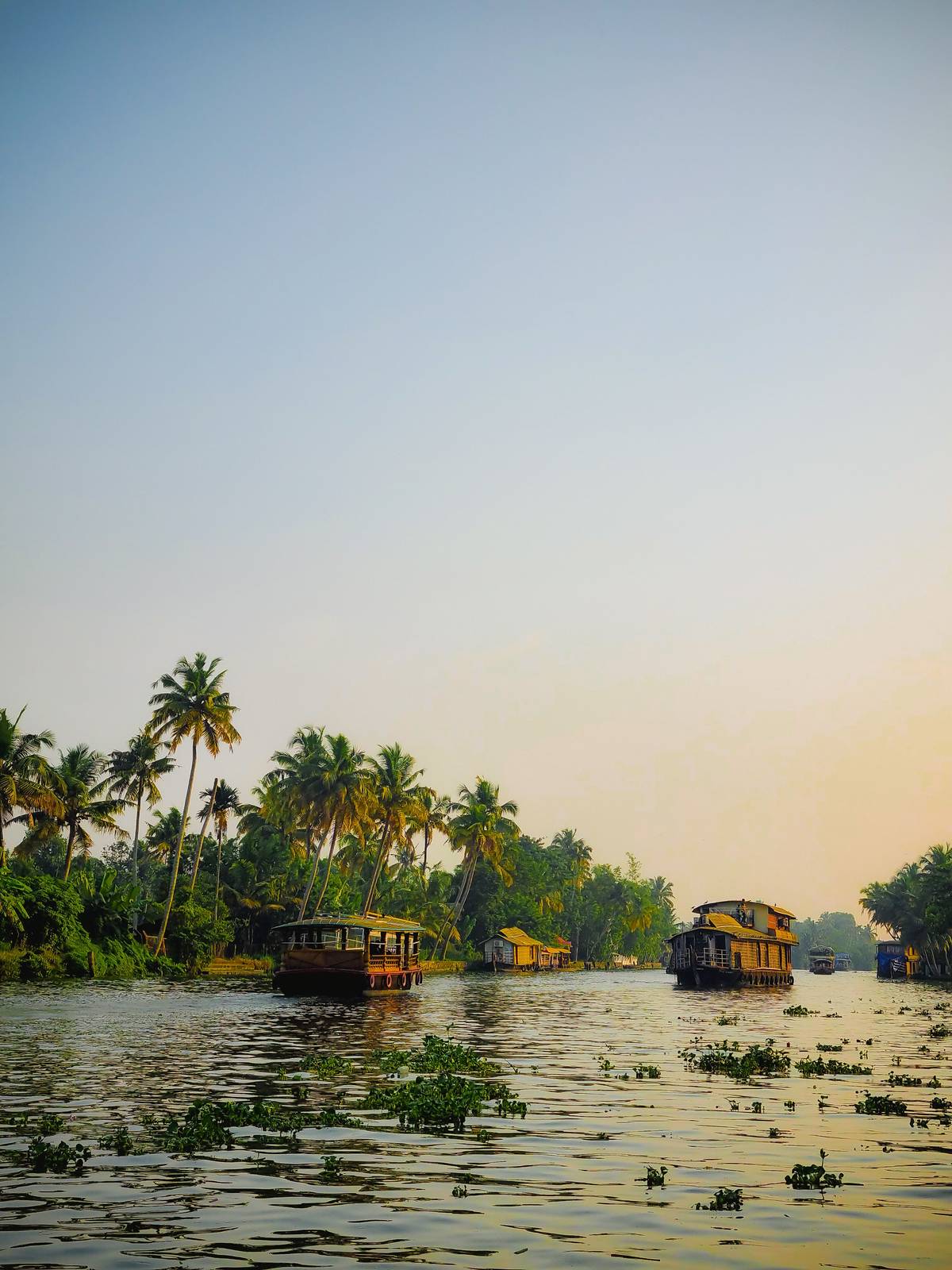
Backwater boat trips: relaxed and low-exertion, the classic Kerala day out.
Cherai beach: a quiet beach north of the city, best for a calm walk rather than swimming during active treatment.
Day trips: Alleppey and Thrissur are feasible; Munnar is a long day, better saved for before or after your program.
Travellers who want a consultation or a short program close to the airport.
People with chronic conditions who value nearby large hospitals.
Anyone combining a residential program elsewhere in Kerala with a comfortable arrival and departure in a major city.
Visitors who want culture and cafés on rest days.
Before You Book
Confirm the physician's qualification, get an itemised quote and a refund policy, and ask the centre for the hospital letter needed for the e-Medical (AYUSH) visa — see our visa guide. If you are not sure which type of program you need, take the free health assessment.
Frequently Asked Questions
Kochi is an excellent gateway and base for consultations and shorter programs, with major hospitals and easy access. Many residential Ayurveda centres are in the surrounding backwater areas, so the best choice depends on the physician and program.
Cochin International Airport (COK) at Nedumbassery, which is Kerala's main international gateway. Confirm airport pickup with your centre in advance.
Roughly 1.5 to 2 hours by road depending on traffic and your exact destination. Check current routes and book a transfer in advance.
Many physicians prefer the monsoon (about June to September) for Panchakarma, while October to February is the busiest and costliest season. Summer is hot and humid and least recommended for some therapies.
Gentle activities such as a Fort Kochi walk or a backwater cruise are usually fine on rest days, but programs are low-stimulation by design. Check with your physician before planning excursions.
Many do, especially those serving international patients. Ask for it in writing, along with arrival time and transfer cost.