Treatments
What to Eat During Panchakarma: Kitchari and the Panchakarma Diet
Why food is part of the therapy, what you eat in each phase of Panchakarma, and a simple kitchari recipe to try at home.
Why food is part of the therapy, what you eat in each phase of Panchakarma, and a simple kitchari recipe to try at home.
Medically reviewed by Dr. Nirmal P Raj & Dr. Chanthni Nirmal, BAMS, MD (Ayurveda) — Santhwana Siddha Clinic, Chalachal Siddha Varma Vidhyashala
In Ayurveda, diet is not a side note to treatment — it is part of it. During Panchakarma, meals are chosen to support digestion (Agni), avoid adding to the toxin load (Ama), and gently rebuild strength afterwards.
This guide explains the usual food pattern in each phase, a simple kitchari recipe, and what to avoid. For the full process, see our complete Panchakarma guide.
Ayurveda holds that weak digestion creates Ama, so treatment pairs therapies with food that is easy to digest. Your physician sets your diet by dosha, condition and treatment stage — what suits one person can be wrong for another, as explained in our Ayurvedic diet guide.
| Phase | Typical food | Aim |
|---|---|---|
| Before arrival (3–5 days) | Lighter meals; less caffeine, alcohol, fried and processed food | Ease into treatment |
| Preparation | Warm, simple meals; some medicated ghee as prescribed | Support digestion and oleation |
| Core cleansing | Thin gruels and kitchari; very light, warm food | Rest the digestive system |
| Rejuvenation / re-introduction | Gradually thicker, more varied meals | Rebuild strength and Agni |
| First two weeks at home | Warm, freshly cooked food; avoid cold and heavy meals | Consolidate benefits |
A basic, soft kitchari (serves 2). This is a general home recipe, not a prescription — your physician may modify it.
Expect guidance to move gradually from gruel to soft meals to your usual diet over several days, keeping meals warm, regular and moderate. A written plan from your physician is part of a good program — see the medical-tourism guide on aftercare.
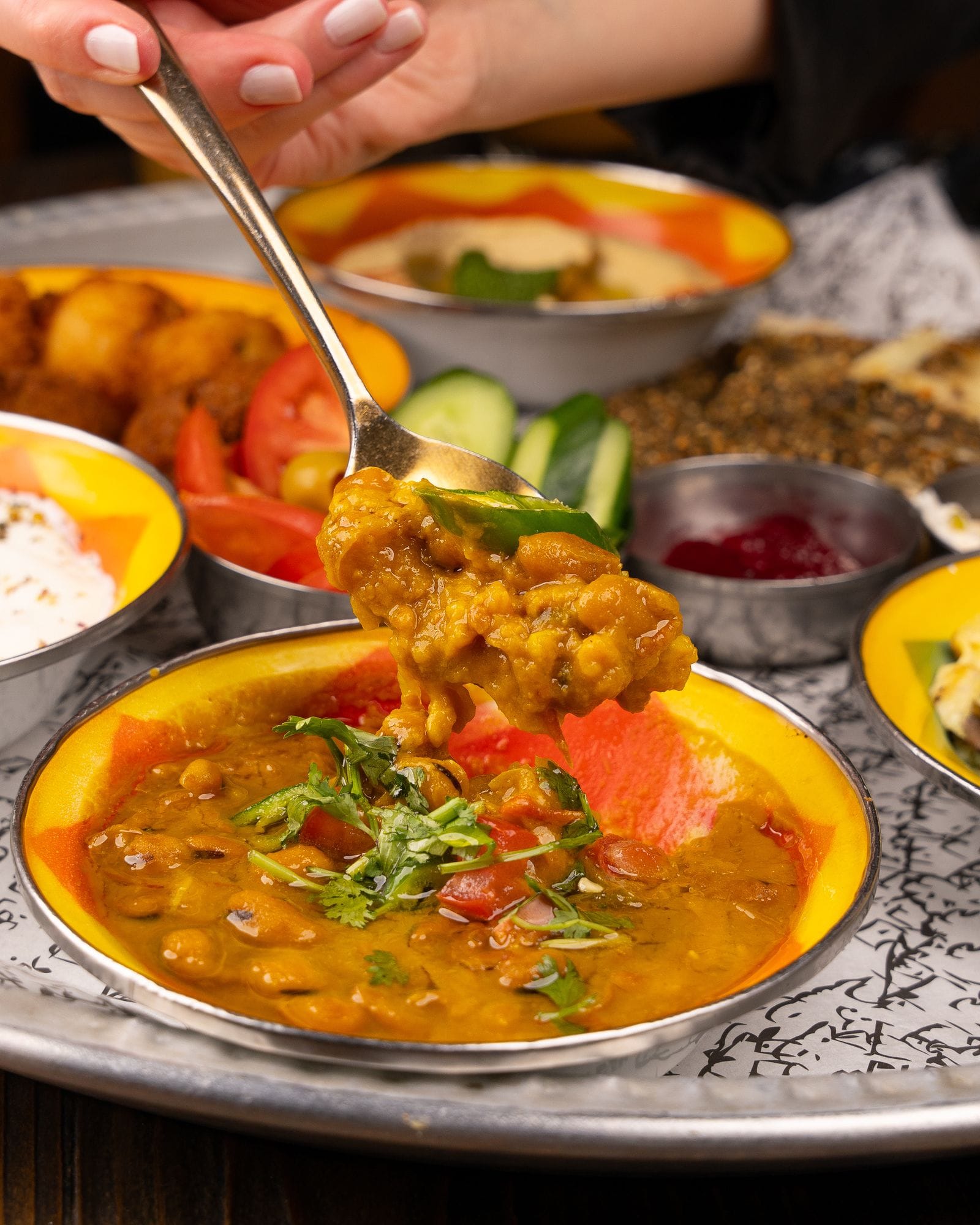
Kitchari is a soft, porridge-like dish of rice and split mung dal cooked with mild spices and ghee, widely used in Ayurveda as an easy-to-digest food during cleansing.
Meals at Ayurveda centres are usually vegetarian and freshly cooked because that suits the cleansing process. Tell the centre about allergies and dietary needs when you book.
Most centres advise avoiding or strongly limiting coffee, tea and alcohol during treatment, though your physician will advise based on your situation.
Portions are adjusted to your phase and constitution. Some people feel lighter and less hungry; tell your physician if you feel weak or very hungry.
You can adopt simple principles such as warm, freshly cooked, lighter meals, but a full Panchakarma diet is prescribed alongside supervised therapies and should not replace medical advice.