Home / Blog / Ayurvedic Treatment for Migraine: Nasya, Shirodhara and Lifestyle
Health Conditions
Ayurvedic Treatment for Migraine: Nasya, Shirodhara and Lifestyle
Nasya, Shirodhara and routine changes for recurring migraine — how Ayurveda approaches it, what the evidence says, and the headaches that are never to be self-managed.
Published October 20, 2026·Updated October 20, 2026·7 min read
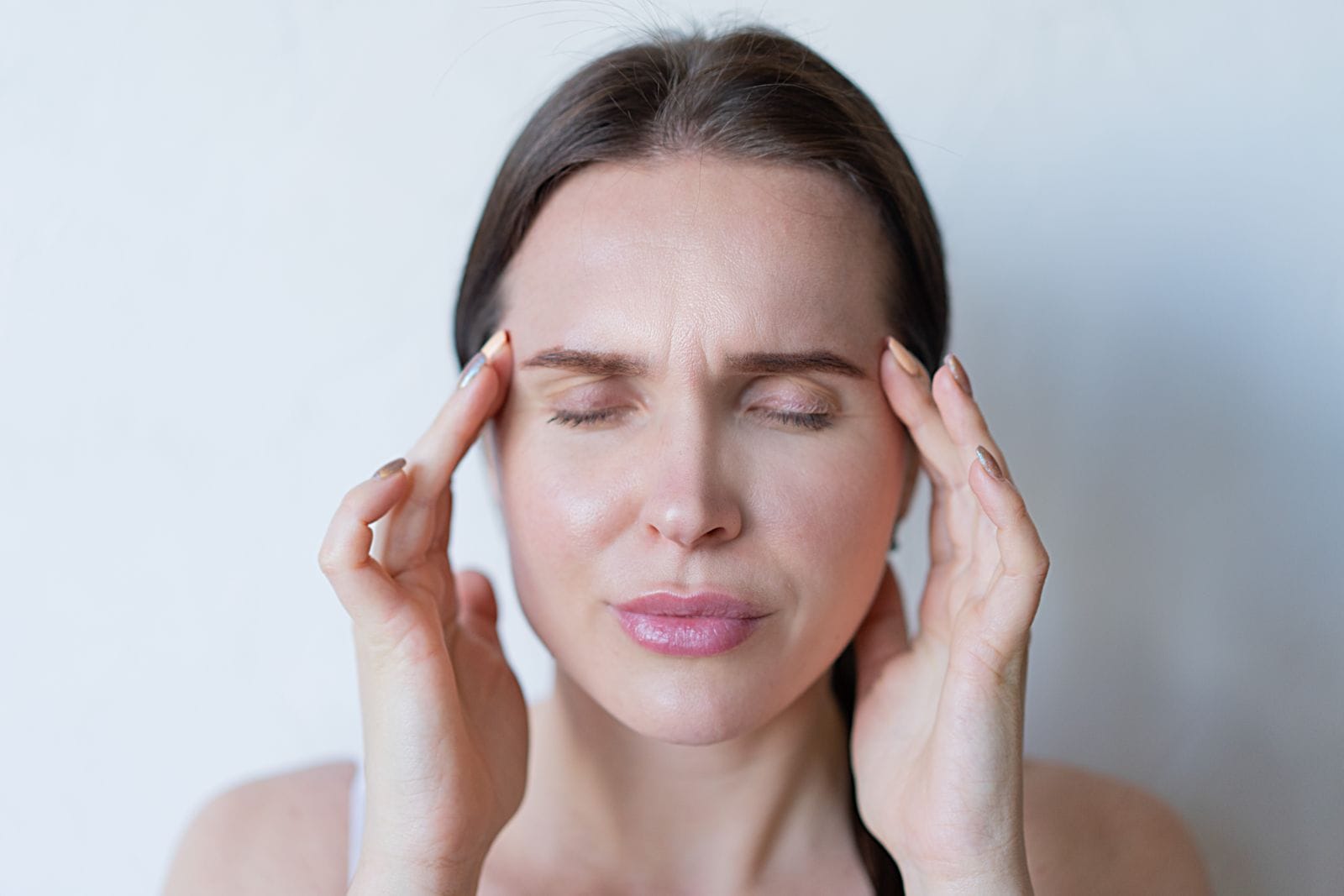
Recurring migraine is disabling, and many people look beyond medication for ways to reduce how often it strikes. Classical Ayurveda describes a one-sided headache pattern called Ardhavabhedaka that resembles migraine, and has specific therapies for the head.
This guide explains the Ayurvedic approach, the therapies used, the lifestyle triggers it focuses on, and what to keep doing with conventional care.
Key Takeaways
Ayurveda links migraine to Vata-Pitta imbalance and triggers such as irregular meals, poor sleep, stress and overstimulation.
Head-focused therapies — Nasya, Shirodhara and Shiro Abhyanga — plus diet and routine correction form the core approach.
Evidence is limited; use Ayurveda alongside, not instead of, prescribed migraine treatment.
A sudden 'worst-ever' headache, headache with fever and stiff neck, weakness, confusion or vision loss is an emergency.
How Ayurveda Understands Migraine
Ayurveda associates recurring one-sided headache with aggravated Vata and Pitta in the head, triggered by factors such as skipped meals, irregular sleep, emotional stress, strong sunlight and overstimulation. Treatment focuses on calming the nervous system, supporting digestion and correcting the daily-routine habits that set off attacks.
Therapies Commonly Used
Nasyam: medicated oil through the nostrils, used for head and sinus conditions, often as a short course.
Internal herbal medicine and diet: chosen for your pattern by a physician.
Lifestyle Triggers Ayurveda Focuses On
Eat at regular times and avoid long gaps between meals.
Keep consistent sleep and wake times — see Dinacharya.
Limit screen glare, loud environments and overstimulation.
Identify and reduce personal triggers (certain foods, dehydration, strong smells).
Practise breathing exercises or meditation for stress.
Realistic Expectations
Some people report fewer or milder attacks with a structured program and routine change, and smaller studies are encouraging for individual therapies, but robust evidence for Ayurvedic migraine treatment is limited. Keep prescribed acute and preventive medication unless your own doctor advises otherwise, and keep a headache diary to judge what helps.
Headaches That Need Urgent Medical Care
Seek emergency care for a sudden, severe 'thunderclap' headache, headache with fever and stiff neck, weakness, numbness, confusion, difficulty speaking, loss of vision, or a headache after a head injury. Do not self-manage these with any traditional therapy.
Frequently Asked Questions
Classical texts describe a one-sided headache called Ardhavabhedaka, which resembles migraine. Ayurvedic physicians treat it according to the individual's dosha pattern.
Nasya is commonly used in Ayurveda for head and sinus conditions, and some people report fewer headaches, but robust clinical evidence for migraine is limited. Use it as a complement under supervision.
No. Do not stop prescribed medication without your doctor's advice. Ayurvedic care is best used alongside conventional treatment.
Programs are often 7–14 days, with ongoing diet and routine changes at home; reduction in attack frequency, if it occurs, usually builds over weeks to months.
A sudden severe headache, or a headache with fever and stiff neck, weakness, confusion, trouble speaking or vision loss needs emergency care immediately.