Health Conditions
Ayurvedic Treatment for Knee Pain and Osteoarthritis: What to Expect
A doctor-reviewed look at how Ayurveda treats knee pain — Janu Basti, oil therapies, diet and exercise — and where its limits are.
A doctor-reviewed look at how Ayurveda treats knee pain — Janu Basti, oil therapies, diet and exercise — and where its limits are.
Medically reviewed by Dr. Nirmal P Raj & Dr. Chanthni Nirmal, BAMS, MD (Ayurveda) — Santhwana Siddha Clinic, Chalachal Siddha Varma Vidhyashala
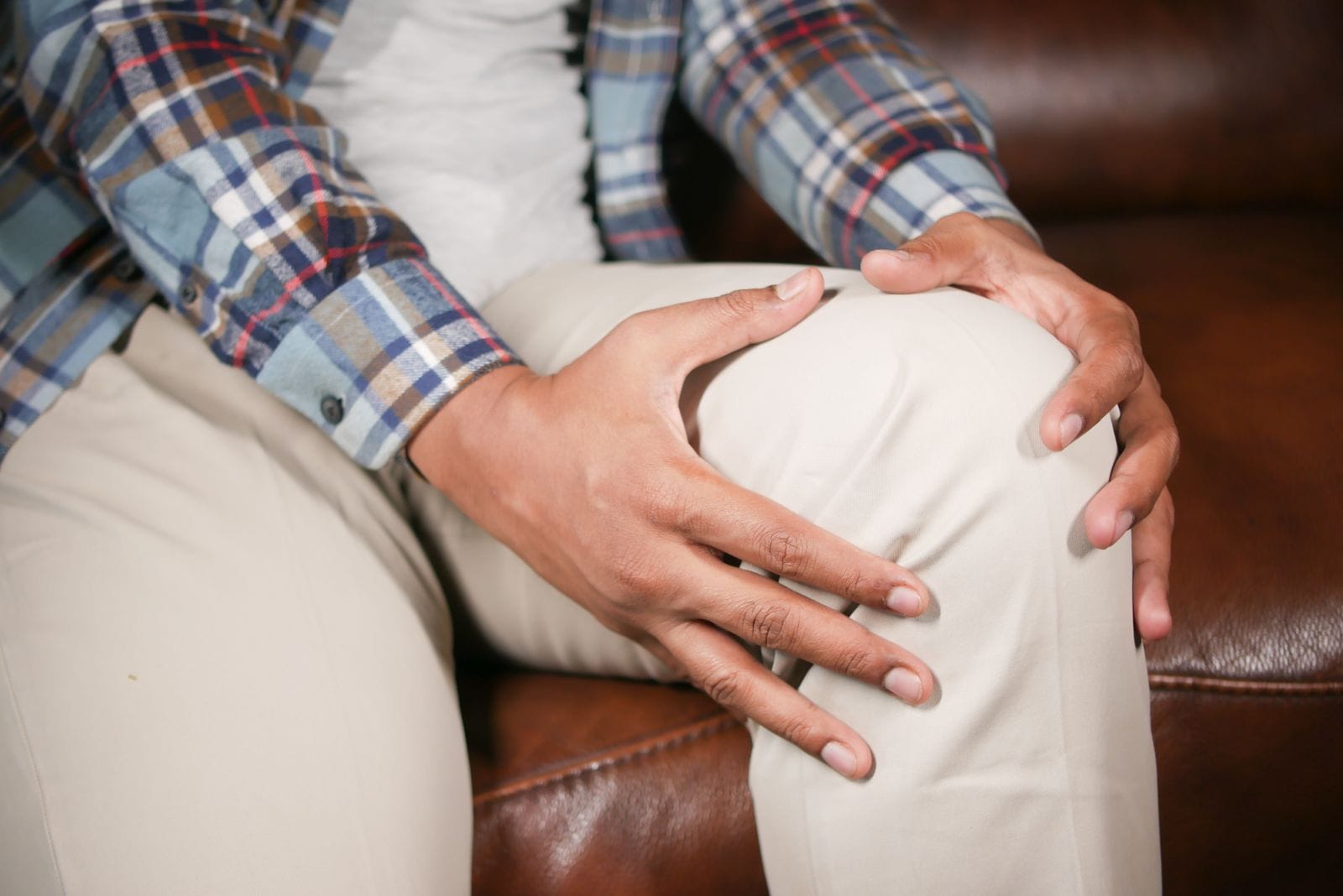
Knee pain from osteoarthritis is one of the commonest reasons people look for Ayurvedic treatment. Ayurveda has a named therapy aimed at exactly this joint — Janu Basti — and a clear framework for the condition, which it calls Sandhivata (Vata-related joint disease).
This guide explains the approach, the therapies, what a program looks like and what results are realistic, alongside conventional care. See also our broader guides to arthritis and Panchakarma and Ayurveda for arthritis.
In Ayurveda, degenerative joint pain — dryness, cracking, stiffness worse in the cold and on first movement — is a Vata pattern called Sandhivata. Where there is warmth, swelling and a systemic feel, it may be classed differently (such as Aamavata, closer to inflammatory arthritis). Telling these apart is why a proper consultation comes before any therapy.
Excess body weight loads the knee, so a Kapha-reducing diet and weight management are often part of the plan, along with warm, cooked meals and avoiding cold, dry and raw food. Gentle strengthening — particularly of the thigh muscles — and low-impact movement matter as much as any oil therapy, and are consistent with conventional physiotherapy advice.
Expect a 14–21 day course: consultation and preparation, daily oil therapies including Janu Basti, internal herbal medicine as prescribed, a joint-friendly diet and a home plan. Our Panchakarma guide explains the phases.
Seek conventional medical assessment promptly for a hot, red, swollen knee, fever, a knee that locks or gives way, severe night pain, or any injury. Autoimmune arthritis needs disease-modifying treatment that should not be delayed — see Ayurveda vs allopathy for chronic pain.
Janu Basti is an Ayurvedic therapy in which a ring of dough around the knee is filled with warm medicated oil and left for 20–40 minutes to warm, lubricate and soothe the joint.
No responsible source claims a cure. Ayurvedic therapy can reduce pain and stiffness and improve function for many people, but it cannot regrow cartilage or reverse advanced joint damage.
Most physicians recommend 14–21 days for a structured program, followed by home care and periodic follow-up.
External therapies are generally compatible, but herbal medicines can interact with some drugs. Tell your Ayurvedic physician your full medication list and keep your own doctor informed.
If you have not had your knee assessed, see a doctor first. Bring any X-rays or MRI reports to your Ayurvedic consultation so the physician can plan safely.